Design That Welcomes Everyone: Smart, Kind, and Beautiful

Today we dive into Accessibility-Focused Interior Updates with Assistive Automation, blending universal design with approachable smart‑home tools. Together we’ll explore simple upgrades, thoughtful layouts, and supportive technologies that help more people move, see, hear, and rest comfortably. Expect practical checklists, empathetic stories, and creative solutions you can adapt at rental or owned homes. Ask questions, share experiences, and join this journey toward spaces that feel welcoming, intuitive, and beautifully yours.

Start With People, Not Gadgets

Meaningful change begins by listening to residents, caregivers, and guests. Before choosing devices, map physical abilities, sensory needs, routines, and stress points. Consider mobility aids, low vision, hearing differences, neurodiversity, chronic pain, and fatigue. Translate insights into reachable controls, predictable feedback, and gentle automation that supports autonomy. Invite honest stories about mornings, bathing, cooking, and rest. When people lead, technology follows gracefully, turning small improvements into daily relief and genuine dignity.

Pathways, Reach, and Turn Radii

Smooth circulation matters more than flashy gadgets. Aim for clear floor paths, minimal thresholds, lever handles, and adequate door widths. Many wheelchairs benefit from a 60‑inch turning circle and 32‑inch clear doorway, while local codes vary. Pair movable furniture with under‑counter knee clearance and reachable switches. Safer movement invites confidence, reduces fatigue, and makes automation more meaningful because the environment already works beautifully without it.

Doorways and Transitions

Swap round knobs for lever handles, add low‑profile thresholds, and widen tight passages where possible. Consider powered openers at key doors, tied to large wall buttons and fobs. Add contrasting frames and floor strips to cue edges for low vision, avoiding glare and visual clutter.

Kitchens That Welcome Wheelchairs

Use varied counter heights, pull‑out work surfaces, and motorized lift shelves that descend safely. Keep microwaves below eye level with side‑swing doors. Specify D‑shaped pulls, front‑mounted controls, and induction cooktops with tactile alignment aids. Pair task lighting with easy, oversized buttons positioned within comfortable reach.

Bathrooms With Dignity

Design roll‑in showers with trench drains, fold‑down benches, and sturdy, well‑placed grab bars. Allow transfer space beside toilets. Choose anti‑scald valves, non‑slip flooring, and motion‑activated night lights. Add humidity, leak, and fall‑detection sensors that notify caregivers appropriately while honoring privacy preferences and consent.

Lighting That Guides And Calms

Layered lighting supports safety, mood, and energy. Combine ambient, task, and gentle accent sources with high CRI bulbs and circadian schedules. Motion sensors, door contacts, and bed strips can pre‑light pathways at night. Use warm tones before sleep, cooler tones for focus, and tactile dimmers for consistent, predictable control when speech or fine motor tasks feel difficult.

Large Tactile Buttons In The Right Spots

Place controls at 36–42 inches from the floor, near room entries and task zones. Choose high‑contrast, backlit, icon‑plus‑text labels. Program single‑press actions for common tasks. Maintain paper backups for routines, ensuring visitors or caregivers can help without apps, logins, or guesswork.

Voice That Listens, Not Demands

Support varied speech by enabling wake‑word sensitivity adjustments, on‑device processing, and multilingual options. Provide alternative triggers—buttons, schedules, or NFC tags—for days when speaking is hard. Keep responses brief and confirm actions visually or haptically. Always include a mute switch and clear privacy controls.

Companion Apps With Real Accessibility

Choose apps that honor larger text, high contrast, and screen readers without hiding essential controls. Organize dashboards by tasks instead of rooms. Offer guest and caregiver roles with limited permissions. Provide offline fallbacks and clear logs, so troubleshooting feels guided rather than stressful or opaque.

Hands-Free Control, Thoughtful Feedback
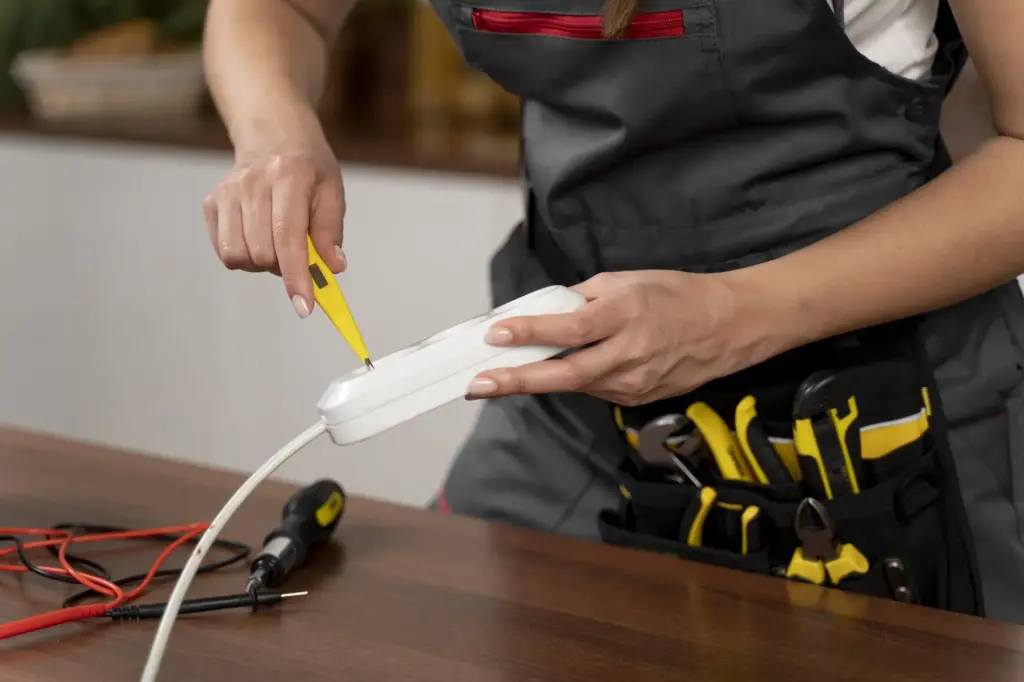
Automation becomes inclusive when inputs and outputs respect different abilities. Combine voice, tactile buttons, remotes, and presence sensors with clear feedback: gentle tones, haptics, or light cues. Keep interaction steps minimal, timeouts forgiving, and options visible. Equip doors, shades, thermostats, and media with consistent logic so learning transfers across rooms, building confidence instead of cognitive fatigue.

Discreet Awareness, Not Surveillance

Rely on occupancy, pressure, and contact sensors that infer patterns without cameras. Tune thresholds to reduce false alarms. Keep data local when possible and purge on schedule. Provide clear dashboards showing what is collected, why it helps, and exactly how to pause it.

Bathroom Confidence Without Intrusion

Use water sensors beneath sinks and beside tubs, combined with humidity readings that trigger ventilation automatically. Add floor slip alerts or shower occupancy timers when appropriate. Notifications should escalate gently, beginning locally, then reaching caregivers only after respectful delays and explicit, revocable consent.

Caregiver Integrations With Consent

Share the right information at the right time using role‑based permissions. Provide quick summaries—mobility today, sleep quality, medication reminders acknowledged—without streaming intimate details. Include check‑in buttons, panic options, and audit trails. Most importantly, allow residents to change access at any moment, no explanations required.

Material Choices, Acoustics, And Sensory Comfort
Surfaces and sounds shape daily experience as much as devices. Favor low‑VOC finishes, rounded edges, and forgiving textures. Balance light reflectance to improve contrast without harsh sparkle. Acoustic panels, soft textiles, and door seals reduce echoes for hearing aids and focus. Keep scents subtle, controls consistent, and escape nooks available when stimulation rises unexpectedly.

Budgeting, Phasing, And Measurable Wins

Accessibility grows through steady steps. Start with low‑cost changes—lever handles, brighter bulbs, contrast tape—while planning larger renovations. Pilot updates in one room, collect feedback, then expand. Track outcomes like reduced falls, faster routines, and calmer nights. Seek rebates, energy savings, and warranties to stretch every dollar responsibly.
Pentotavozento
Privacy Overview

This website uses cookies so that we can provide you with the best user experience possible. Cookie information is stored in your browser and performs functions such as recognising you when you return to our website and helping our team to understand which sections of the website you find most interesting and useful.